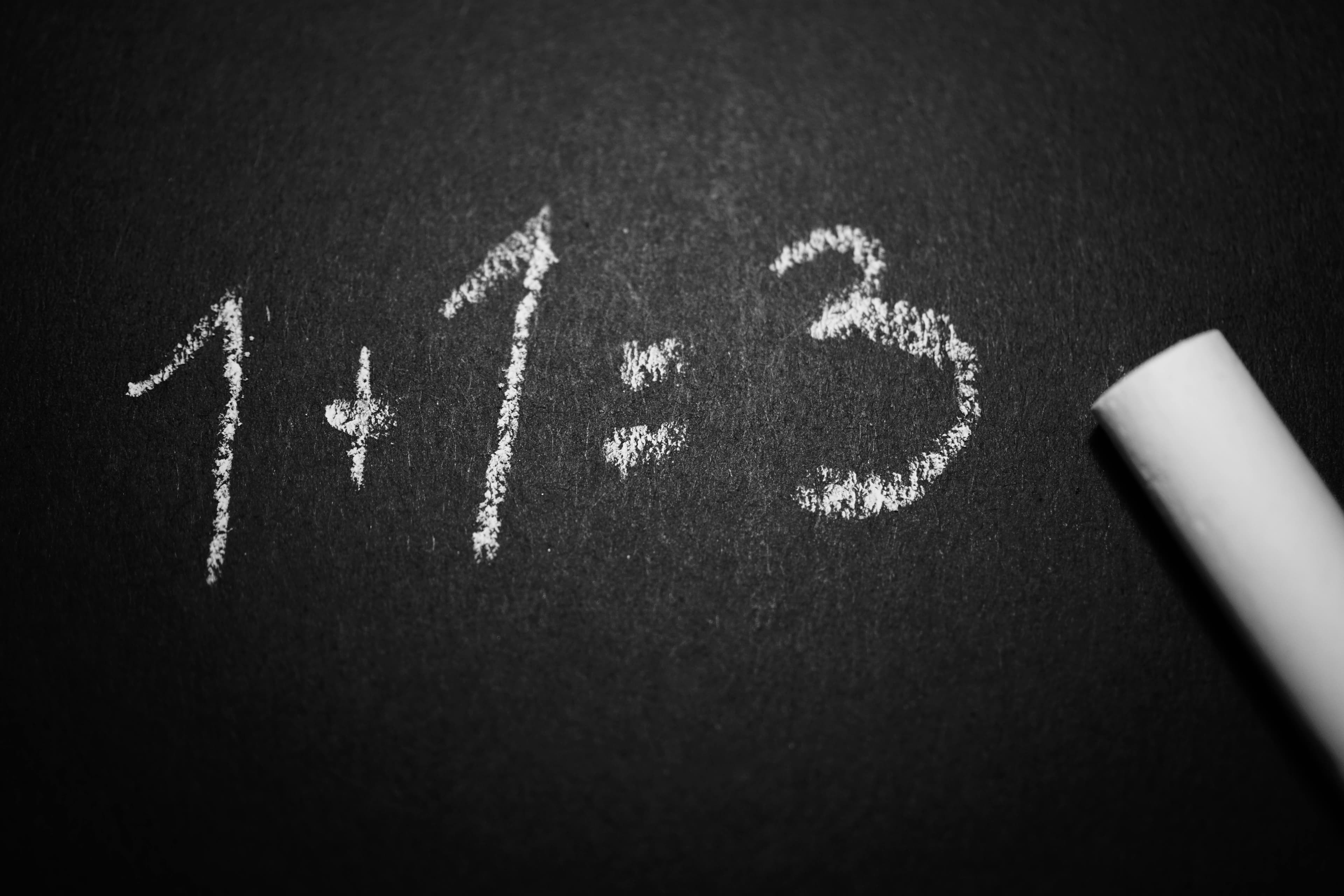
The Math Anxiety Epidemic
About 50% of adults report math anxiety. Children internalize this: - They hear parents say "I'm not a math person" - Teachers express anxiety about teaching math - Culture reinforces math as a special talent, not a skill
Result: Avoidance, lower effort, reduced performance.
The Growth Mindset in Math
Math ability isn't fixed: - Everyone can learn math with effort - Making mistakes is essential learning - Speed doesn't equal understanding - Multiple solution methods are valid
Emphasize growth language consistently.
Building Numerical Sense
Before procedural math: - Play games with numbers - Cook/bake (fractions, measurements) - Make change with money - Estimate before calculating
Numerical sense builds intuition for math.
Process Over Speed
Math pressure often focuses on speed: - Timed tests increase anxiety - Quick answers encourage guessing - Rushing prevents understanding
Instead emphasize: - Checking answers - Explaining thinking - Using multiple methods - Valuing accurate understanding
The Importance of Mistakes
In math, errors reveal thinking: - "Where did your thinking go different?" - "What would work instead?" - "What do you notice about your mistakes?"
Analyzing mistakes deepens mathematical thinking.
The Calculator Question
Calculators are tools, not cheating: - Use for verification - Use to explore patterns - Use for complex calculations - But understand concepts first
Calculators free cognition for problem-solving.
Making Math Real
Connect math to interests: - Sports stats - Gaming (probability, strategy) - Music (rhythm, patterns) - Art (geometry, proportions)
Real-world connections increase engagement.
When to Seek Support
If math anxiety is severe: - Avoid negative labels ("bad at math") - Consider tutoring for specific concepts - Address underlying anxiety separately - Focus on growth, not performance
Growth Strategies at Home
- Solve problems multiple ways
- Ask "what if" questions
- Make math predictions
- Build with blocks (3D thinking)
- Play logic games
These develop mathematical thinking naturally.
